Depression
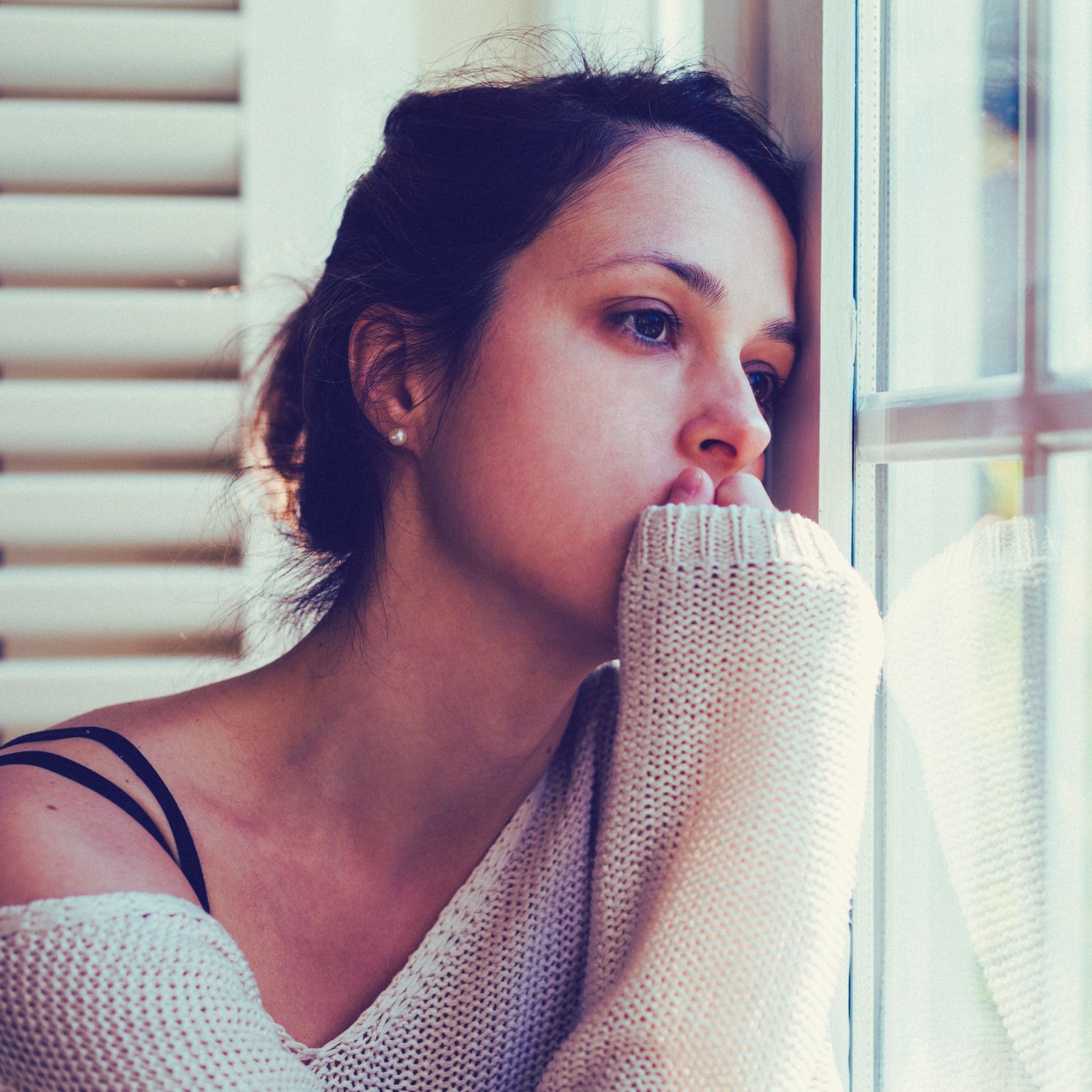
The first thing anyone should know about depression is that it isn’t sadness. Even the official definition (feelings of severe despondency and dejection) doesn’t quite capture what it means to be depressed. From screaming headaches, to thought spirals, to absolute exhaustion, it takes almost too many forms to count. But the most important thing is that it’s treatable. Through education, reaching out, and safety plans, anyone with mild to severe depression can make it through. Spreading awareness and helping to destigmatize it is just the first step.
Situational
Situational Depression occurs for a limited time after facing a personal and triggering stressor. It’s also known as adjustment disorder with depressed mood. Anyone can become depressed after a triggering event such as a death, accident, job loss, or breakup. Most people don’t need medication for this type of depression, but speaking with a therapist and loved ones is critical to make it through this time of need.
Seasonal Depression
Seasonal Depression is a depression that begins and ends with a season. Most people with Seasonal Depression have symptoms that start showing in the fall and recede during the spring; however, the specific season and timeframe vary from person to person. Remember to reach out to your loved ones during the cold season. Let them know you care. Your general practitioner or psychiatrist may want to try out a medication to help you make it through this time.
Chronic Depression
Chronic Depression is constant and can last for very long periods of time. It lasts a minimum of 2 years, but can last much longer. It is usually the result of chemical imbalances in the brain, often involving serotonin regulation. Chronic depression is most often treated with medication, trigger management, and regular meetings with your psychiatrist.
Postpartum
Postpartum Depression is a long-lasting, severe depression that starts after giving birth, or sometimes during the pregnancy. It can also develop into a condition called Postpartum Psychosis. Postpartum Depression is not a result of weak character, but rather a pregnancy complication. It can lead to concerning outcomes, such as a lack of motivation to take care of yourself or your baby. The important thing when you start experiencing PPD symptoms is to ask for help. Trying to go it alone out of fear or guilt will only make things worse for you and your baby. There’s always someone willing to help.
Leave a Reply